Time takes a physical form in "Sands Of Time". It sits in the grain of guitars and in the decision to master to tape. Santa Claws’ return after nine years carries it too.
The Brittany, France quintet approach their second album with a strong affection for raw 1990s rock energy. Close arrangements and melody hold equal weight.
Yet the record avoids period detail as its sole definition. Santa Claws use alt rock pop and Britpop as working tools. For this album review, crunchy guitars and intimate melancholy add weight, but the songs stay at the front.
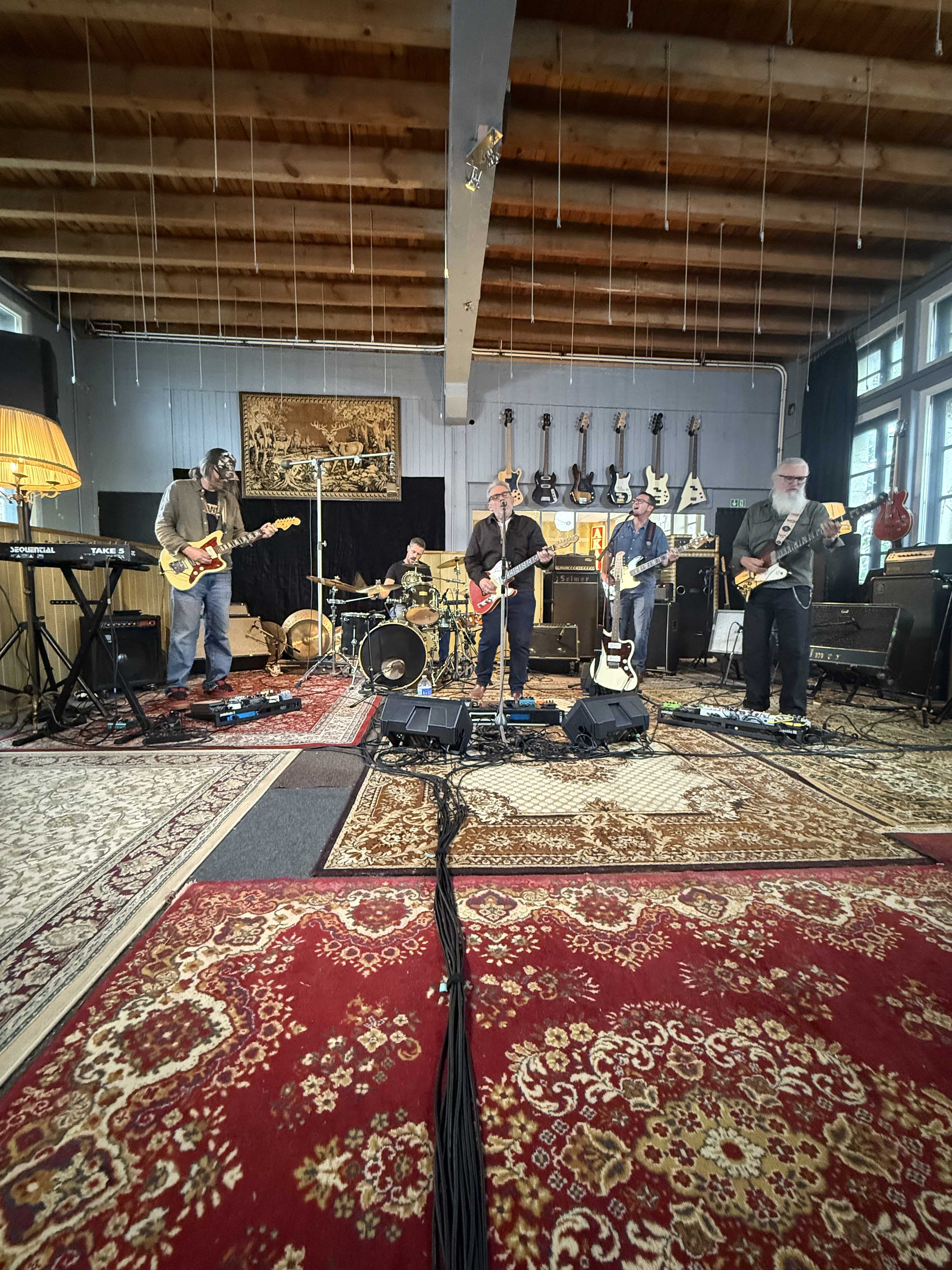
Greg Aubert leads Santa Claws on vocals, guitars and keyboards. Antoine Montgaudon brings guitars, keyboards, backing vocals and arrangements, while Teddy Moisan handles bass and backing vocals. Julien Pinel plays drums, and Stéphane Kérihuel completes the line-up on guitar.
His arrival makes Santa Claws a five-piece with three guitarists. That addition gives the album extra depth, counterpoint and dynamic range. Aubert founded the group as a power trio.
Lineup changes, persistence and a return to the stage built its present form. As a result, Sands of Time feels like stock-taking through instruments, not declarations.
The group’s debut involved Greg Gordon, whose credits include Oasis and Supergrass. Santa Claws chose a self-directed route for this album and made it at their La Chapelle-Neuve studio. Montgaudon mixed the record in-house.
Christophe Chavanon then mastered it to analogue tape at Studio Kerwax. That sequence gives the record a clear chain of authorship. Studio Kerwax becomes part of the album’s identity, not merely its finishing room.
Santa Claws marked the release there with an intimate showcase recorded live to tape. Melody Aubert directs a concert film due in 2027.
Santa Claws describe Sands of Time through crunchy guitars, intricate arrangements and rich analogue textures. Those details point to production shaped by pressure and space, rather than sheer volume.
The expanded guitar line-up can create a denser surface. Counterpoint lets separate lines answer one another. Montgaudon’s arrangement role gives that design a named centre.
Meanwhile, Aubert’s work across vocals, guitars and keyboards links the song-led focus to its instrumental frame. Together, these roles put melodic construction beside the rougher edge of alternative rock.
The analogue finish carries equal weight. Tape carries the group’s preference for warmth and direct performance into the final shape. The Kerwax showcase makes that preference public.
A letterpress page offers a useful parallel. Pressure and grain make its image feel handled. Santa Claws apply a related logic to rock craft. The group do not chase polish as an end, and their surfaces retain contact with the players behind them.
That choice gives the group’s Britpop melancholy a firmer physical base.
Santa Claws place The Beatles, Radiohead, Oasis, Supergrass and The Breeders among their reference points. Each name signals a different part of the group’s vocabulary: melodic craft, creative tension, swagger, noisy-pop hooks and guitar-centred directness.
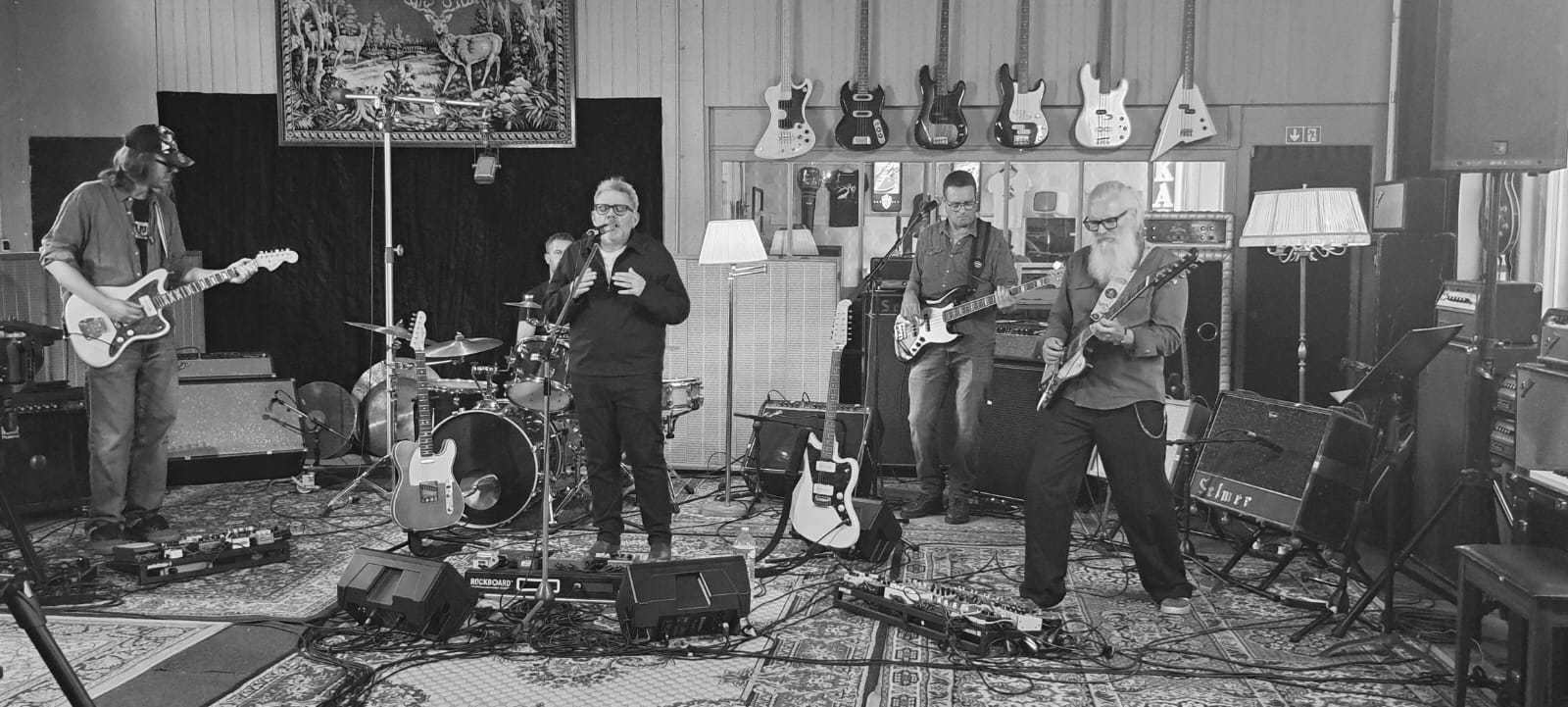
Santa Claws Embody "Sands Of Time"
Still, Sands of Time does not need to mimic any one of those acts to state its position. This album puts those touchstones inside a self-produced, Brittany-based independent rock setting.
These names do not act as a checklist. They locate Santa Claws within a British indie culture that the group openly values. From Brittany, the five-piece carries that affinity into an independent practice built around the band’s own choices.
The band has rebuilt and refined its methods, so continuity feels like an active choice.
For listeners who favour indie rock with strong melodies and a live-minded pulse, that approach should carry a clear appeal. Santa Claws are not chasing novelty through surface change.
Instead, they put confidence in guitars, song construction and the human friction of a working group. Between 2023 and 2025, the group issued four singles: She Turns, Grain of Sand, Gimme a Minute and Rainy Day.
That run kept Santa Claws in public view while the second LP took shape. The title may point to erosion. Yet the group stress accumulation: stage work, remote writing, residencies and a settled rhythm section.
Can a band make the past feel less like a monument and more like a working toolbox?
https://open.spotify.com/album/1COva2MorICUpErtci70aC?si=_qK4QaCITJyFuTccOOQbyA




No comments:
Post a Comment