A yearbook preserves the grin, the outfit, the posed certainty. It rarely records the argument in the car park, the fear of being chosen last, or the pressure of deciding who to become before adulthood has even announced itself.
Analiese's debut EP, "Miss Melancholy", begins from that missing record. The Dallas pop artist presents seven songs shaped by high-school halls, friendship, romance, insecurity, and the theatrical charge of prom night.
The release treats adolescence as lived material rather than a faded backdrop. This pre-release EP review, based on supplied release materials and public pages, finds bright pop holding feelings teenagers are often told to edit out.
Analiese is a Dallas-based pop artist and songwriter whose work joins infectious melody with candid writing about relationships and growing up.
The title, prom-centred imagery, and seven named chapters make Miss Melancholy feel like a character study of someone caught between performance and private doubt.
"Miss Melancholy," "Bitter," "Foolish," "Disaster," "Bleach," "Ugly Crier," and "Killer" create a vocabulary of self-judgment, mischief, hurt, and survival.
Five songs arrived ahead of the complete project, while "Ugly Crier" has passed 150,000 streams, according to the release announcement.
The project has the focus of a considered studio collaboration. Alex Arnaout, Michael Edwards, Remington Rafael, Mike Manning, Shane Bauman, and Celica Westbrook are credited as producers.
Analiese shares writing credits with Shannon Camacho and Ace Savage, and recording took place at Septien Entertainment Group and Club Roar.
The release keeps a coherent premise. Analiese does not reduce the teenage years to lockers and glitter. She identifies the uneasy arithmetic underneath: friendship, romance, appearance, and status can all seem to measure a person's worth on one afternoon.
Bright pop melodies and emotionally candid storytelling are the stated pillars of Miss Melancholy. That pairing fits its subject because adolescence seldom appears in one register.
A crush can make a bus ride feel cinematic; a break-up can happen on party day. The credits suggest a broad range for carrying those shifts, and Analiese's role as a writer keeps the centre of gravity with the person living through them.
No track-level arrangement or vocal detail is public, so it would be unfair to invent one. Yet the release's stated pop approach and seven-part sequence point toward songs made for connection: material to sing in a car, cry with, dance to, and keep close when confidence breaks down.
The title has a neat double life. "Miss" can suggest a pageant sash, an absence, or a young woman addressing herself with pride and disappointment.
That ambiguity gives the high-school setting depth beyond a nostalgia exercise. Analiese has said she wanted to make the EP she needed during high school, a period she recalls as overwhelming.
Her intended listener is not asking for a lecture about resilience. She needs company during the crying, the dance floor, the embarrassing text, and the gradual realization that a bad season does not write the rest of a life.
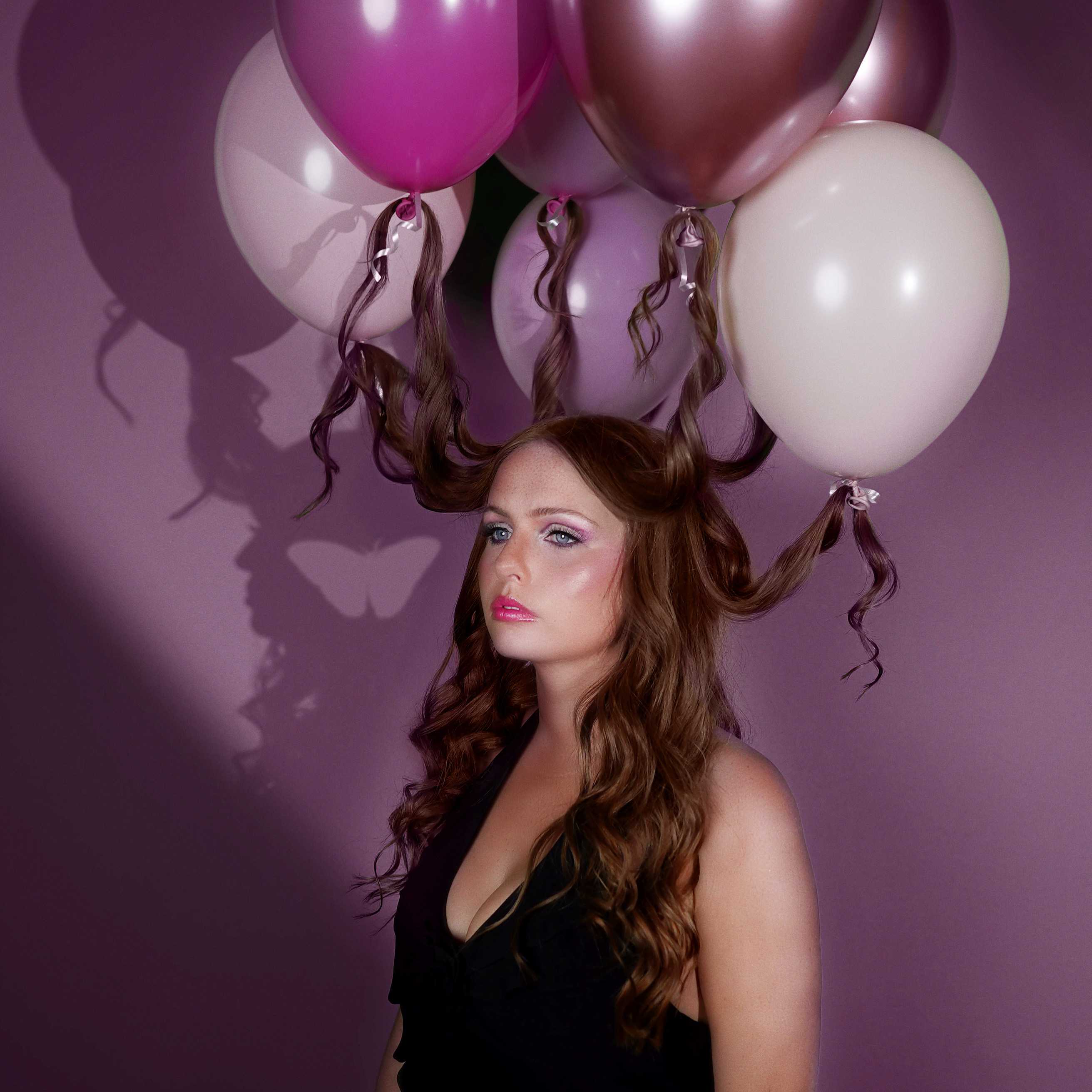
Analiese Revisits The Messy Emotions of High School On Miss Melancholy
The EP recalls a school yearbook's major omission: it captures the official version of youth but leaves out the daily weather inside a person's head.
Pop has long translated teenage feeling into big public gestures, from diary-like confession to bedroom anthem. Analiese's angle appears smaller and, for that reason, useful.
She gives insecurity a name, a prom dress, and an unruly title, then places it beside movement and melody. Her press statement imagines girls using these songs to cry, scream, dance, and feel less alone.
That is an audience relationship built on recognition, not superiority. It is also commercially sharp: short-form platforms reward clean emotional signals, while a seven-track EP gives a listener room to stay after the first hook.
For Music Arena Gh readers, Miss Melancholy merits attention as a coming-of-age pop project with a disciplined frame. A title-track video is planned alongside the release, and Analiese's official site connects the project to music, video, merchandise, and fan access.
It could suit teen-pop playlists, late-night drives, friendship edits, and the post-prom comedown that rarely gets its own anthem. Its best idea may be its refusal to treat youthful emotion as rehearsal for "real" life.
If the title character wears sadness like a sash, what happens when she no longer has to wear it?





No comments:
Post a Comment