The clock has always been a strange instrument in popular music. It can mark a dance, count down a departure, or sit quietly beside a person who knows a decision cannot be postponed forever.
In “Too Late,” Melinda Joy and JT Martin place that pressure at the centre of a pop-rock ballad that asks its listeners to act while action still has meaning.
The song’s repeated call to “catch that train,” “stomp in the rain,” and “dream your dream” carries the plain force of advice given by someone who has already watched opportunities pass.
It is a single about impermanence, but its emotional charge comes from a more intimate question: what happens when two people stand close to love and still hesitate?
Melinda Joy arrives with a biography that gives “Too Late” considerable depth. The Austin and Mexico-based singer-songwriter and bass player has moved through Washington, DC, New York, San Francisco, New Orleans, and Texas, with Iceland also part of her current creative life.
Her official biography describes a practice shaped by poetic lyrics, bass and melody lines, and a soulful, jazzy, lush character often called Southern Gothic .
That phrase matters here because “Too Late” carries warmth and unease at the same time. It reaches toward freedom while keeping one eye on the door that may soon close.
JT Martin brings a different kind of history to the duet. The singer, songwriter, and multi-instrumentalist formerly fronted Austin glam-rock band Chasca, wrote and composed for the group from 2007 to 2017, and previously sang with Tryptic.
His experience across drums, keys, flute, rock performance, and European collaborations gives the partnership a useful tension. The song did not arrive through a rigid studio plan.
Melinda began recording it after a prompt from her songwriting group, then JT visited the studio and spontaneously created the chorus. That moment of arrival is written into the track’s premise: sometimes the decisive act occurs because somebody is willing to answer the opening.
The single sits comfortably between soulful pop-rock and a roots-minded adult alternative register. Its acoustic and electric guitars give the arrangement a human frame, while a driving bassline and steady drums keep the advice from becoming abstract.
Subtle keyboard layers add colour without crowding the voices. Melinda’s lead is expressive and lightly raspy, carrying the verses with an ache that never slips into melodrama.
JT’s harmonies and featured section add lift and a second emotional angle, making the duet feel like a conversation rather than a decorative guest appearance.
A traditional verse and chorus design gradually gathers force, with the choruses receiving the fullest instrumental push. The clean mix keeps the vocal lines intelligible and lets the refrain do its work.
The song’s strongest idea is its refusal to treat urgency as panic. “Catch that train” is practical, almost comic in its everyday image. “Stomp in the rain” is physical and a little unruly.
“Dream your dream” and “scream your scream” widen the invitation until it becomes a small philosophy of participation. The quoted lines do not promise that every choice will succeed.
They argue for choosing while the choice remains available. That distinction gives the song its emotional intelligence.
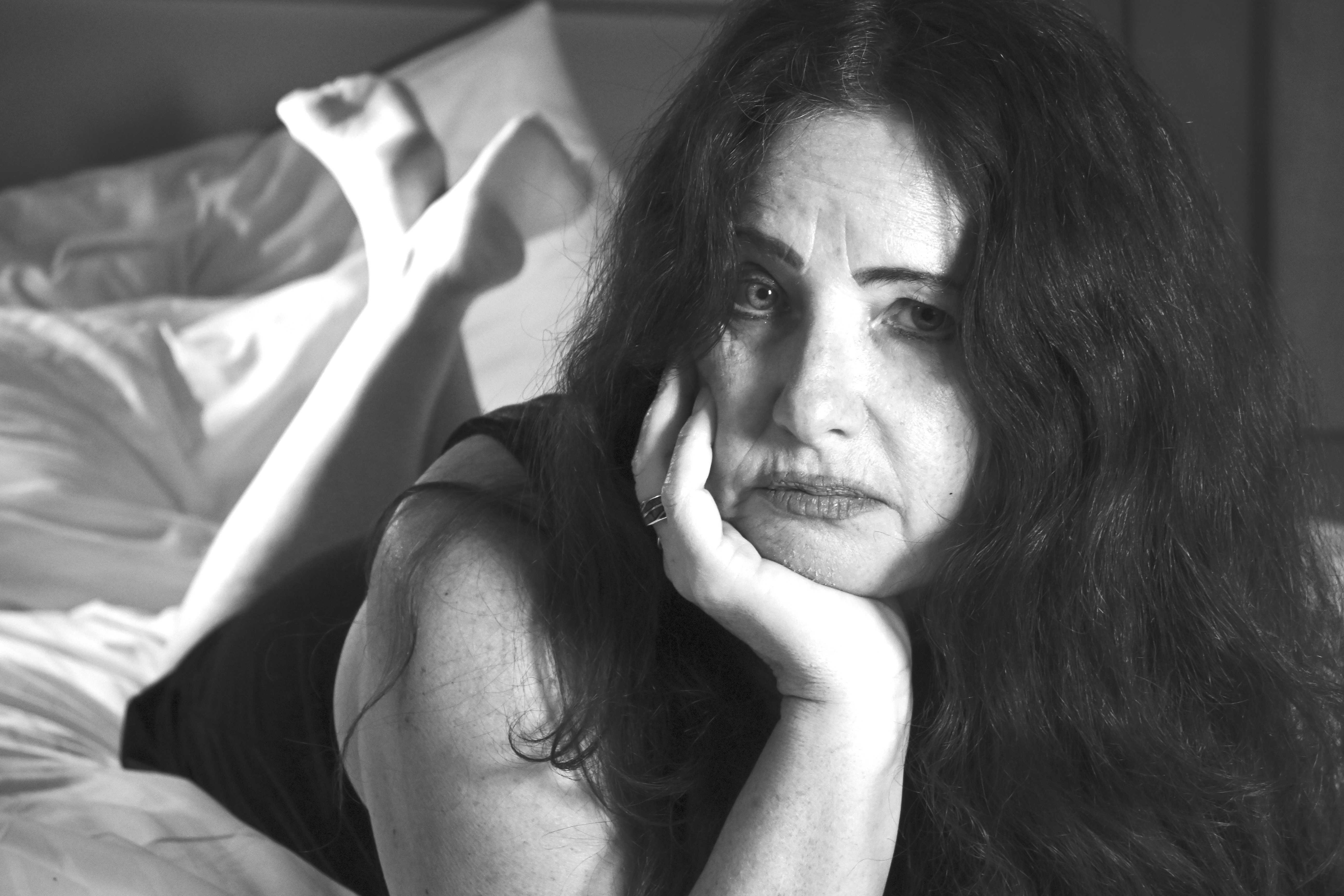
Melinda Joy And JT Martin Put Time On The Clock With "Too Late"
The lovers-on-the-brink element complicates the message. The duet setting makes it feel addressed to somebody specific. The two voices create a private room inside the larger pop-rock form, where affection and fear sit beside each other.
Its language is simple, but the consequences behind it are not. A red cover image with a plant shadow, described in the official video presentation, reinforces that sense of life reaching into uncertain light .
It recalls the modest visual language of a theatre poster, where one strong colour can carry a whole argument.
Melinda’s work in psychology and creativity studies gives the record an extra frame. “Too Late” turns creative action into music, treating the call, the train, and the rain as acts of participation.
For listeners seeking new music with a clear melodic centre and a mature independent sensibility, this single has broad reach. It can sit beside roots pop, soulful adult alternative, and reflective pop-rock playlists, while its duet structure gives it live potential.
The chorus should travel well in a room because it is built from verbs people can remember.
“Too Late” leaves its central question open. If the next train is already approaching, and the rain has already begun, what are we waiting to become brave enough to do?
https://open.spotify.com/track/2q6DCOTTjlkOvITNAK9Q5c




No comments:
Post a Comment