There is an inherent absurdity in surviving something that should have killed you, only to find yourself back at the kitchen table, paying a mortgage and feeding a semi-domesticated hedgehog named Sonic.
When the body fails and then miraculously restarts, the mind is left to process the sheer randomness of continued existence. The fourth studio album from Lewca, titled "Innit?", operates entirely within this strange, liminal space.
Following a severe lung infection in 2024 that forced an extended hiatus and brought him to the brink of death, the Brixton-born artist has not returned with a sombre meditation on the fragility of life.
Instead, he has delivered a twelve-track reggae-infused alternative punk rap pop record that embraces chaos with a knowing grin. Lewca has always occupied a fascinating position on the fringes of the UK indie punk rap pop scene, even while observing it from his current home in France.
His progression from a Brixton squat to a Parisian squat by age nineteen reads like the opening chapters of a chaotic novel. After studying fine art and dabbling in film, his eventual pivot to music was driven by a desire to create before he became too old to die young.
For "Innit?", he continues his long-running partnership with Parisian producer S.O.A.P., also known as DJ Sonofapitch. Their collaboration, born from a shared love of wonky beats, British sonic textures, and Dragon Ball FighterZ, provides the perfect sonic architecture for a project that demands absolute global domination and unfathomable wealth, obviously.
The release of "Innit?" marks a significant turning point in a career defined by restless experimentation. Previous records like Boombap for Boomers explored the passage of time and unfulfilled dreams, earning accolades such as DJ Kaptin Barrett's Album of the Year in 2023.
Now, the stakes are undeniably higher. The lead single, "Like Liam Gallagher", captures the essence of this new era. It is a drunken, fuzzy pop anthem of debauchery that channels the sleaze of 90s Britpop while maintaining a distinctly modern, lo-fi hip-hop edge.
The track thrives on the tension between misplaced confidence and the reality of stumbling through life, somehow managing to land on your feet every single time.
The album is a vibrant collision of decades and disciplines. S.O.A.P. constructs beats that pulse with soft bass synth tones and bouncy piano chords, overlaying them with chopped vocal shots and crunchy guitars.

Lewca's vocal performance flickers between a belted, angsty delivery and smooth melodic flourishes. The rhythm often mirrors a rap nursery rhyme, driven by energising drums and a delightfully off-kilter vocal style.
This synthesis of Beastie Boys energy and Gorillaz-style experimentation creates a sound that is both nostalgic and forward-looking. The production choices, mixed with 80s and 90s sonic references, support a carefree experience that never feels lightweight.
Beneath the upbeat exterior of the record lies a profound exploration of personal doubts, demons, and the ghosts of abuse. The thematic core of "Innit?" is the juxtaposition of mortality against the mundane realities of daily life.
In the mid-twentieth century, the Theatre of the Absurd, championed by writers like Samuel Beckett, argued that human existence has no inherent meaning, and that we must find our own purpose through laughter and defiance.
Lewca adopts a similar philosophy here. By framing his near-death experience within the context of a festive, slightly ridiculous celebration, he strips the fear from the equation.
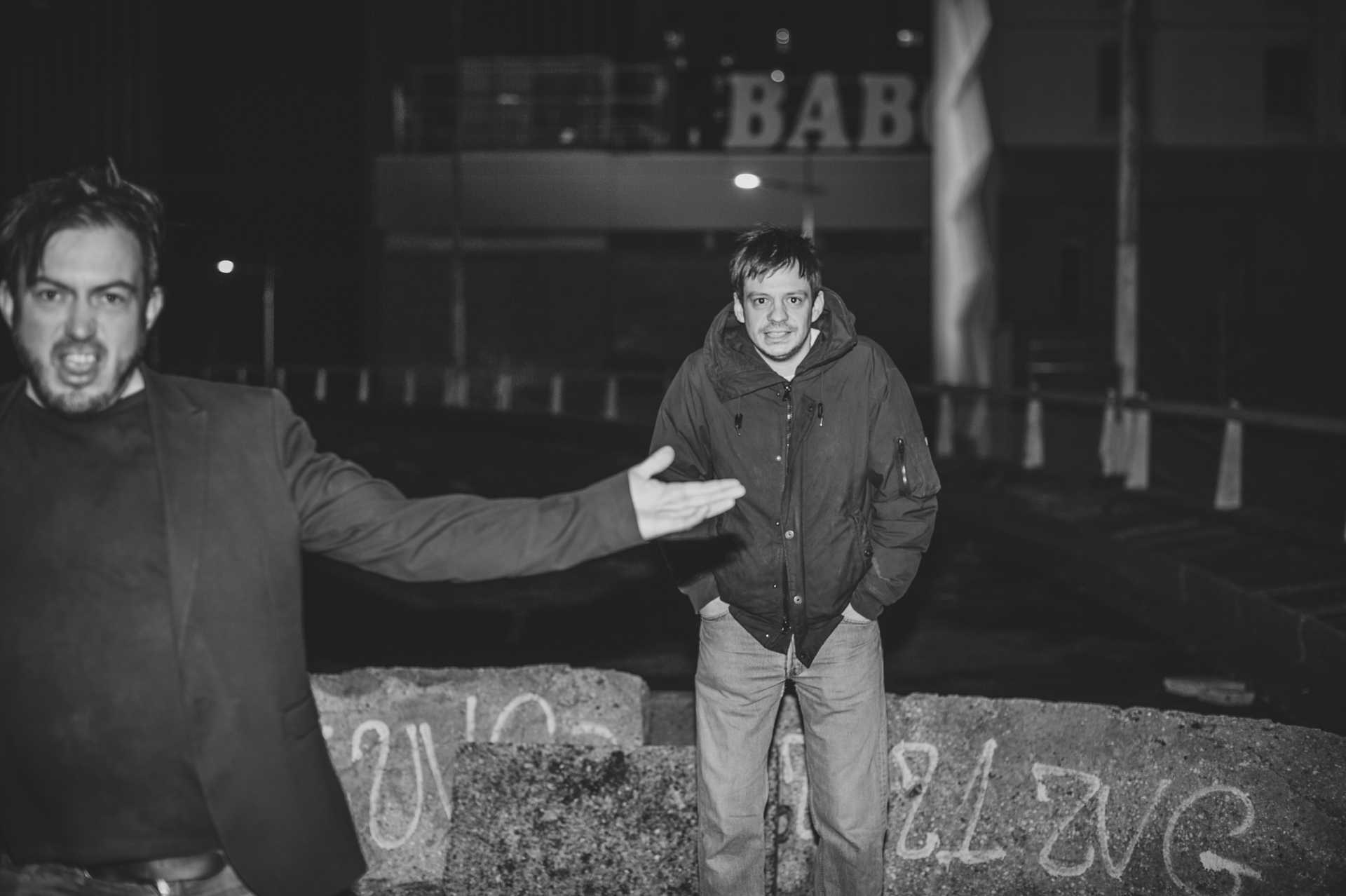
Lewca Challenges Mortality In Alt-Pop Anthem 'innit?'
He wears his flaws proudly, inviting listeners to raise a glass to the sheer improbability of still being here.
The cultural context of this release cannot be overstated. In a musical climate that often rewards either hyper-polished pop or unrelenting despair, Lewca offers a refreshing third option.
His willingness to fuse genres, from alternative rock to hip-hop and reggae, speaks to a broader rejection of boundaries. He is an artist who understands that true rebellion does not require anger; sometimes, the most radical act is simply refusing to go quietly.
As he notes regarding the project, he will not go gentle into that good night, still talking to himself in the morning light, entirely unchanged.
What happens when the ultimate deadline is postponed, leaving an artist to face the messy, beautiful aftermath of survival?
Will the swagger of this triumphant return sustain itself, or is this merely the loudest echo before the silence returns?
https://open.spotify.com/album/0I7HCmS2ttCuhlN2Ff26qU?si=WpXupAxAR7ey23Cp8r0BNw




No comments:
Post a Comment