Download free music MP3s on genuine quality, the world’s largest online music catalogue, powered by your scrobbles. Free listening, videos, photos, The world’s largest online music catalogue, powered by your scrobbles. Free listening, videos, photos, stats, charts, biographies and concerts. stats, charts, biographies and concerts.
Thursday, June 11, 2026
John Lebanon Measures Distance And Memory In ‘Kite Without A String’
There is a certain hour of night when a city stops performing for anyone and begins to show its smaller truths. Streetlights flatten into amber circles. A room grows still enough for memory to arrive without ceremony. 'Kite Without A String', the albu…
There is a certain hour of night when a city stops performing for anyone and begins to show its smaller truths. Streetlights flatten into amber circles.
A room grows still enough for memory to arrive without ceremony. 'Kite Without A String', the album from John Lebanon, seems written for that private hour.
It carries the feeling of someone thinking through distance while refusing neat answers. The title image suggests freedom, but also exposure.
A kite freed from its line can rise, drift, falter, or vanish. John Lebanon treats that uncertainty with patience, using indie folk and indie rock to trace what remains when home, faith, and selfhood are all in motion.
John Lebanon is a Boston-based indie-folk project led by Lebanese songwriter and physician Roy Souaid, whose writing has grown out of Beirut’s DIY spirit and into a collaborative band shaped across Boston, Providence, and Beirut.
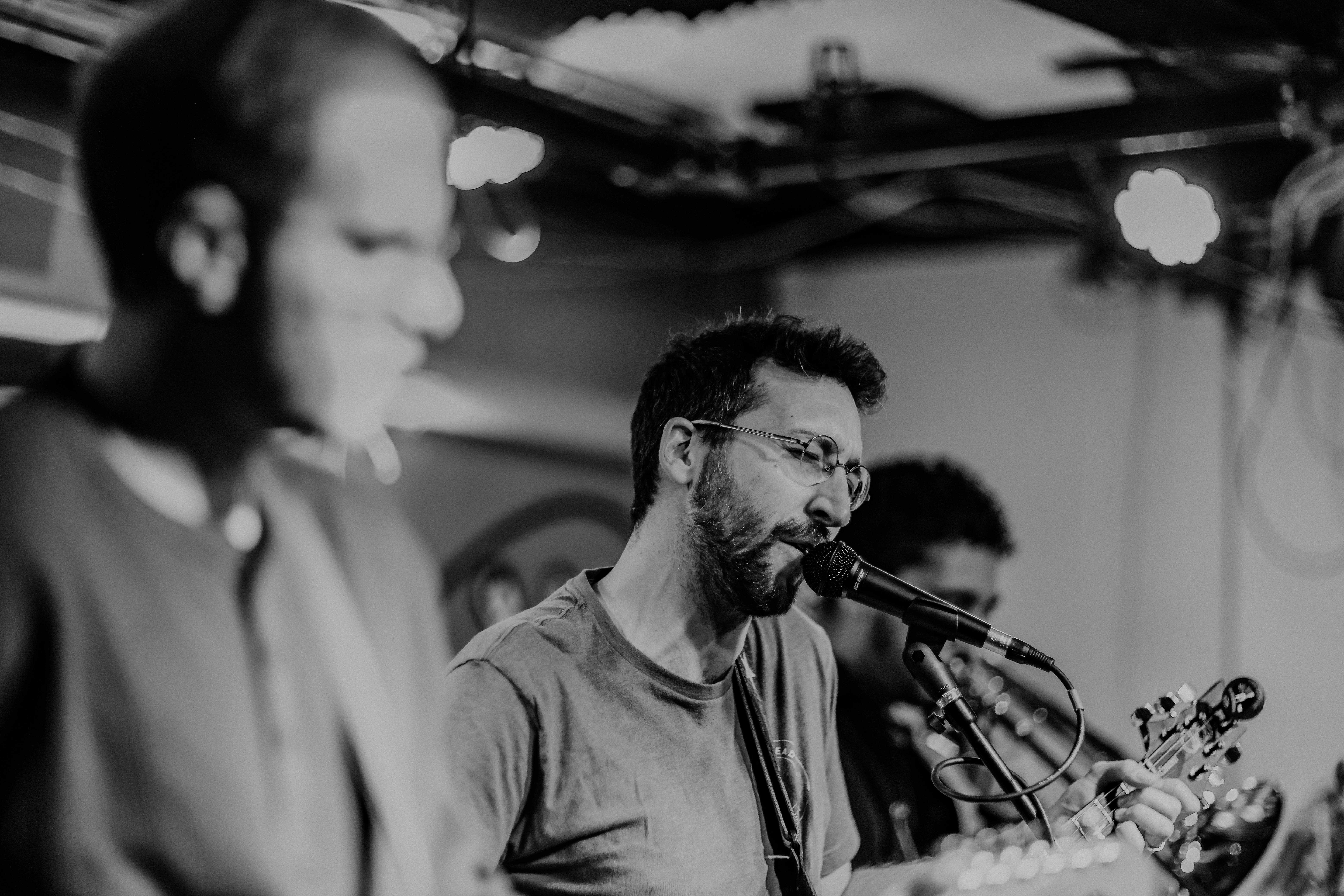
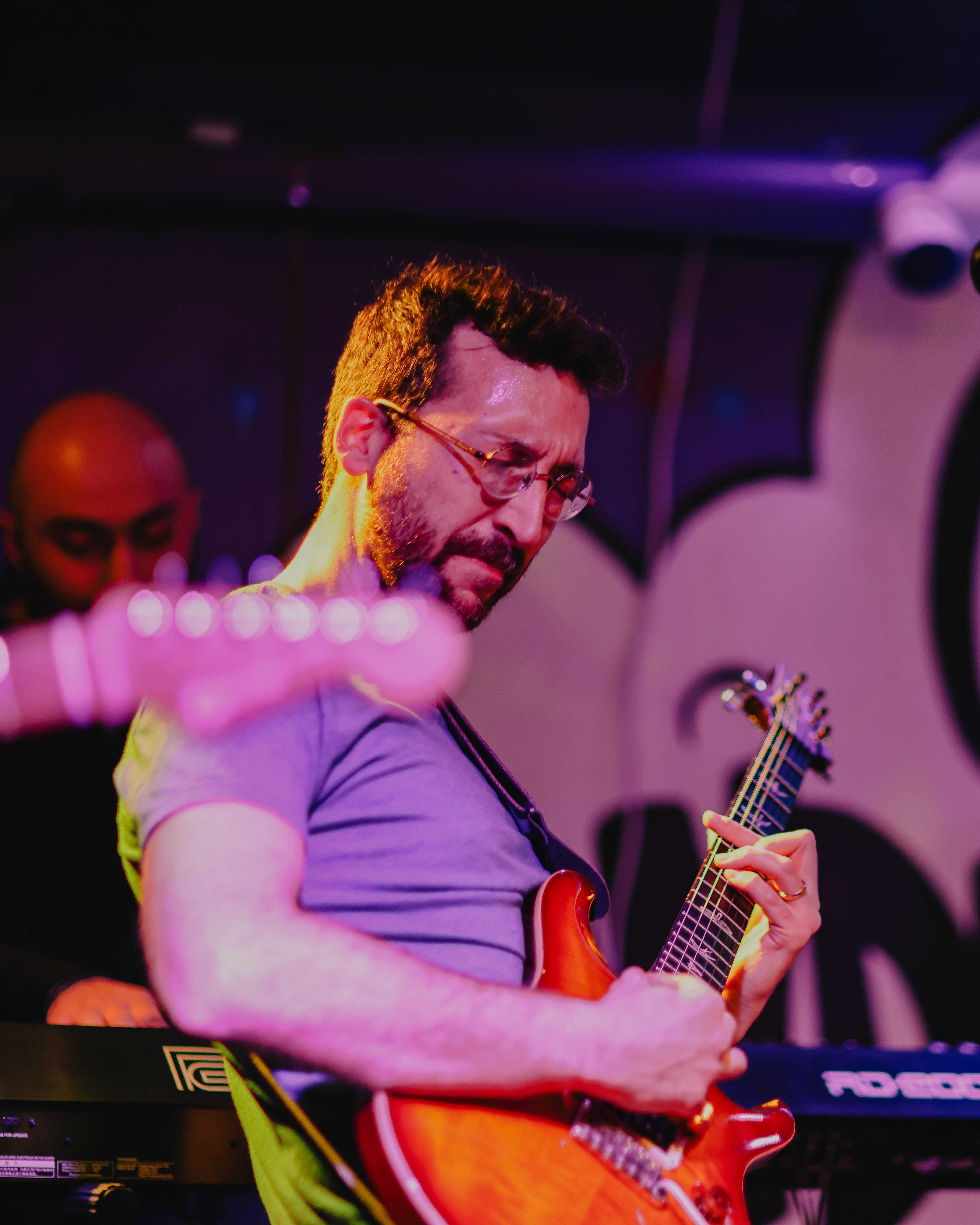
The official line-up around this album includes Souaid on vocals and guitar, Matt Deluccia on bass and vocals, Gaby Carvajal-Poisson on vocals, Karl Deek on lead guitar, Khalid Razick on trombone, Marc Chehwane on keyboards, and Stefanos Athinaios on percussion.
That wide circle matters. The music feels communal, built by players who understand that memory often needs several hands before it can hold its form.
As a John Lebanon 'Kite Without A String' album review, the first thing to note is the record’s sense of architecture. It begins outside the self, in pressure, motion, and social static, then gradually turns toward faith, care, and steadier contact.
“Hurricane eyes” opens with urgency, setting a charged tone before the title track enters with a more spacious mid-tempo shape. “Maksour,” the only Arabic track, becomes one of the album’s most exposed passages, turning Beirut into a place of fracture, hunger, absence, and prayer.
By the time “Vermontier (dusk edition)” arrives with bright 12-string guitars, the album has found a hinge between heaviness and release.
Musically, the album’s strongest quality is restraint. The arrangements can expand, especially when guitar, keys, percussion, and trombone widen the frame, but the songs rarely crowd their emotional center.
Souaid’s vocal presence sits close to the listener, direct enough to carry lines about self-trust, broken cities, class tension, and spiritual repair.
“Mizuri” adds a layered melodic moment centred on faith, helped by Matt Deluccia and Gaby Carvajal-Poisson. “Petit pierre” finds dignity in labour, growth, and return.
The album’s emotional force sits in its refusal to make exile romantic. “Maksour” does not dress Beirut in decorative sorrow. It gives us a broken heart, hungry dogs, wealth beside grief, a young figure named Salim, and the ache of being told to remain in America.
That plainness recalls the moral clarity of Etel Adnan’s writing, where Lebanon appears less as a symbol than as a place whose beauty and damage cannot be separated neatly.
John Lebanon’s music carries a similar instinct. It asks what a person can keep loving after distance has done its work. Oddly, the kite image also calls to mind early aviation drawings, those fragile attempts to understand lift before flight became routine. Here, lift is emotional, not mechanical.
The title track gives the album its central argument. Letting go, in John Lebanon’s hands, is not surrender. It is an act of choosing what will no longer govern the body, the schedule, the fear, the inherited script. Lines about laying a gun down and rejecting empty labour place personal freedom beside political awareness.
That link between private life and public pressure gives the album its adult weight. The record understands that a person cannot heal apart from the systems that bruise them. At the same time, it never abandons tenderness.
John Lebanon Measures Distance and Memory In 'Kite Without A String'
The bonus closer “I like to play (17’ vault)” returns the listener to play, mutual care, and the right to be less severe with oneself.
For a Boston indie folk band with Middle Eastern roots, Kite Without a String feels significant because it refuses to flatten identity into branding.
It allows Beirut and Boston to remain separate, related, unresolved. It makes room for faith without turning preachy, for politics without slogans, and for nostalgia without soft focus.
In the current indie folk and indie rock field, where many records lean on mood alone, John Lebanon offers shape, memory, and moral texture. Its quietest details carry pressure.
By its final stretch, Kite Without a String has become a record about freedom with consequences. John Lebanon does not promise a clean arrival.
The album leaves its kite in the air, beautiful because it is untethered, vulnerable because it is untethered.
If identity is partly what we hold and partly what we release, how much line can a person lose before flight turns into disappearance?




No comments:
Post a Comment