Download free music MP3s on genuine quality, the world’s largest online music catalogue, powered by your scrobbles. Free listening, videos, photos, The world’s largest online music catalogue, powered by your scrobbles. Free listening, videos, photos, stats, charts, biographies and concerts. stats, charts, biographies and concerts.
Friday, June 12, 2026
Interview: We’re In The Water on “The Belltower”
Today marks the release of "The Belltower," the second installment in the 2026 mind, body, and soul album trilogy by London electronic artist and DJ Fil OK, performing under the pseudonym We’re In The Water. Following the introspective, mind-focused te…
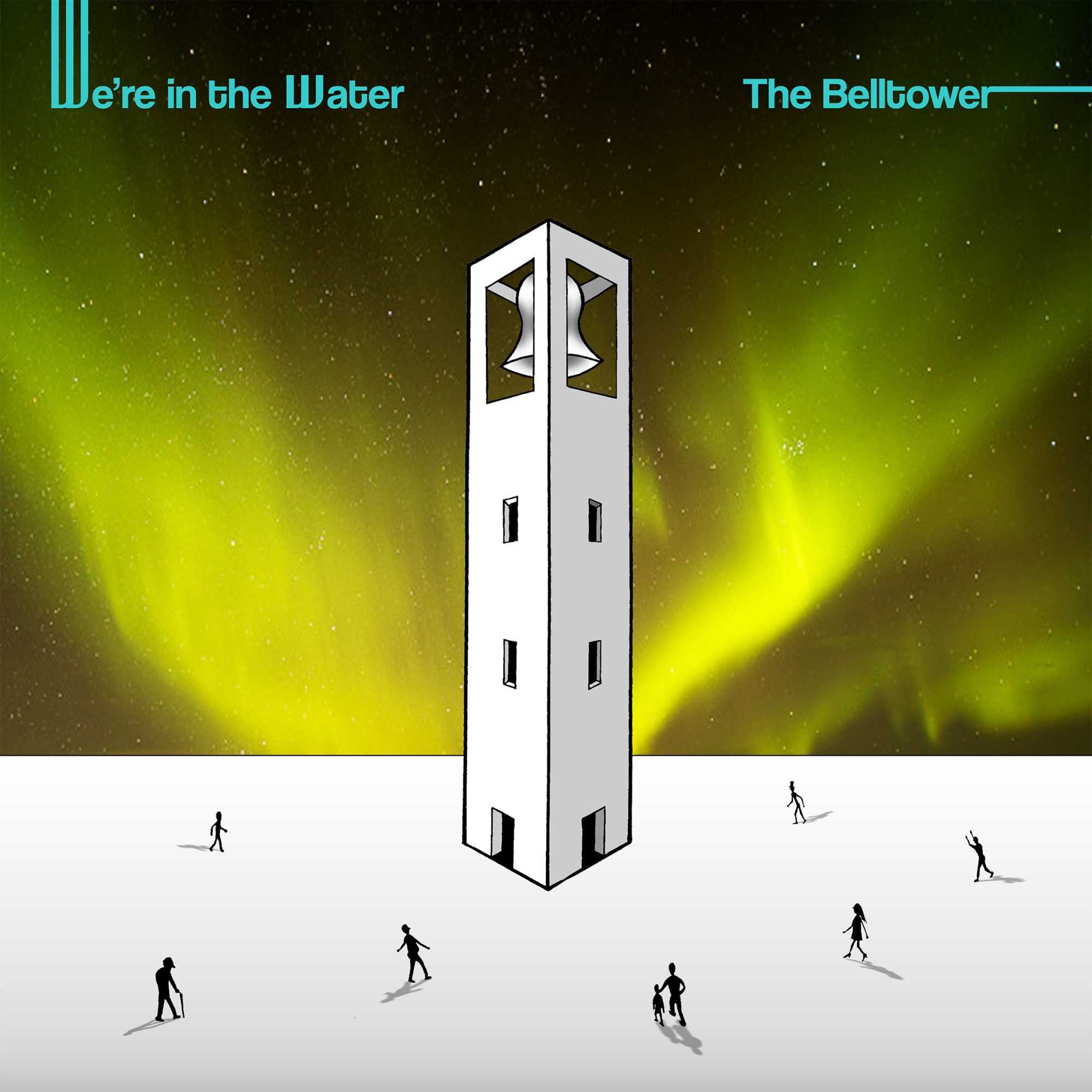
Today marks the release of "The Belltower," the second installment in the 2026 mind, body, and soul album trilogy by London electronic artist and DJ Fil OK, performing under the pseudonym We’re In The Water. Following the introspective, mind-focused textures of February’s "The Steeple," this new album shifts its gaze to the physical realm with a direct, groove-oriented sound designed for movement. We sat down with Fil to discuss the concepts behind "The Belltower," his minimalist production process, and how he translates raw physical instincts into electronic pop.
The Trilogy Concept & Theme
"The Belltower" is the second instalment in your 2026 album trilogy. How did the transition from the "mind" theme of "The Steeple" to the "body" focus of this new record shape your creative approach?
The trilogy is divided into mind, body and soul, so each collection of 12 songs is themed to one of these concepts. The Steeple was all about self-analysis - delving into the subconscious and examining ones own behaviour and mental patterns, whereas The Belltower’s songs focus on our relationship with the body as this weird and wonderful organism we carry around with us our whole lives. I deliberately made this album more full bodied and dancefloor-friendly to reflect that.
You’ve described the album as focusing on the "language of the organism" and our physical impulses. How do you translate raw physical instincts like movement, pleasure, and discomfort into electronic pop melodies?
The music and the overall sound of this album is more direct and poppy than the last, and I tried to get more grooviness into the production to make the listener want to move. Melodically it’s probably a bit more immediate and accessible than The Steeple, and also punchier.
The trilogy uses architectural spaces ("The Steeple," "The Belltower") as metaphors. What does a "belltower" represent to you in terms of the human body and physical resonance?
Exactly that - resonance. It’s seeing the body as a complex organic structure that transmits, and also receives signals. Physically we are constantly vibrating on many different frequencies - sometimes ringing out loud messages, other times making soft, subtle little dinging noises, so I wanted the album to mirror that.
We're In The Water Dissects Human Anatomy on "The Belltower"
Musical Direction & Sound
Compared to the cerebral textures of "The Steeple," "The Belltower" brings in more guitars, distorted beats, and bells. What drew you to blending these specific organic and electronic textures for this record?
Guitars vibrate a bit like bells, and twang with a similar reverby resonance. They can represent action and boldness which fitted this album, and I think the distorted beats add a more visceral, live feel.
The track "Storm Before The Calm" is described as a dark electro murder ballad inspired by David Lynch’s "Twin Peaks: Fire Walk With Me." What was the process of capturing that specific cinematic, dark atmosphere?
That film deeply affected me when I first saw it - I was inconsolable at the end. David Lynch was obviously such a unique master. I think it’s to do with a loss of innocence, and in this film Laura’s youth is violently stolen from her. Musically the song is quite hard hitting, but the end section (3rd act!) takes us to a more dreamy, heavenly place, mirroring Laura’s emotional state at the climax of the film, where her ‘lost angel’ finally comes for her. I’m welling up now thinking about it!
You mention that you work with a relatively minimalist setup Logic Pro, a USB mic, and an electric guitar. How does working within these physical constraints impact the raw, immediate feel of the album?
In the past I’ve been overwhelmed by the amount of choice we have as electronic composers / producers, which can really lengthen the recording process and leave you going round in circles and getting tied up in knots. This time I wanted it to be more immediate, so gave myself less of a choice, and worked to the best of my ability with the ingredients I allowed myself to have. It was enjoyable, and felt more ‘hands on’ and analogue using a guitar - I learnt a lot and it was tons of fun.
We're In The Water Dissects Human Anatomy on "The Belltower"
Collaborations & Perspectives
Every track on "The Belltower" features a different guest vocalist. How did you choose your collaborators, and how did their unique voices help shape the "shifting perspectives" of the body's experiences?
We’re in the Water is a collective of different singers, performers and musicians, so since the first album ‘Delinquent’ in 2012 the chosen family has steadily grown, and I wanted to feature pretty much everyone on this album, to tie in with the extrovert, sociable theme. Each contributor was picked to match the song. There are also 2 new artists added to the clan: Mara Carlyle and Zac Monday.
With so many distinct vocalists on one record, how did you maintain a cohesive sonic thread throughout the album while letting each artist's personality shine?
I think the songs themselves are the glue that link the whole album. I always try to differ the production, to tailer the sound to what each song seems to want, and the vocalists were matched to the songs that were appropriate for them. It was super easy - like the songs were telling me who they wanted to sing them!
Creative Process & Personal Reflections
You have spoken openly about how your neurodivergence influences your work, viewing the studio as a "playground." How does hyperfocusing on an album's construction serve as a therapeutic outlet for you?
It’s just what I like to do! It definitely is a sort of unconscious therapy, where I’m not really thinking, but intuitively zoning in and out on specific details, then stepping back to take it all in. When I begin I have a sort of overall idea of what I’m going for, then just press ‘go’ and see what happens. Usually the results are quite unexpected!
As an artist originally from Blackpool, you share a heritage with electronic pioneers like Chris Lowe, Robert Smith, and Dave Ball. Do you feel your Blackpool roots or the legacy of Northern electronic music still influence your sound today?
I do! It’s weird that those particular 3 come from Blackpool as they literally are all on my Top 10 list of biggest influences - maybe that’s not a coincidence?
It’s funny because I obviously will always be a ’Northerner’, and do identify strongly with ‘The North’, but aren’t we all many different people?! I’ve actually lived in London longer than I lived ‘oop North’, so does that make me an ‘honorary Southerner’ now? Who knows. They’re just labels really. All the music I love and identify with comes from completely random places from around the world…and beyond!
We're In The Water Dissects Human Anatomy on "The Belltower"
Club Culture & DJing
How do your current DJ residencies, such as Dark Room, and your "Bloodbeat" sets feed back into the production style of We're In The Water?
The Bloodbeat concept comes from my DJ sets - dark, electro, groovy, synthy, harsh and intriguing sounds…which force you to dance. I’d say this style lends itself more to my solo ‘Fil OK’ releases, however there is definitely more of that mood on this particular We’re in the Water album.
Having co-founded the legendary London club Nag Nag Nag and lived through the height of electroclash, how has your relationship with the dancefloor evolved over the years, and how is that reflected in "The Belltower"?
I mean I was clubbing from the age of 13, so it’s in my blood! I LOVED all the early 80’s stuff (still do). Those disco, pop and electronic records led to acid house, breakbeats, etc and eventually to electroclash, so there’s a thread there. Nowadays there are about a million genres so it’s hard to pinpoint exact influences, but if you listen closely to the production of The Belltower you’ll find multiple styles and references.
Looking Forward & Track Specifics
Tracks like "Let's Wear Wigs Tonight" and "Sexualia" suggest a very playful approach to identity and physicality. How do you balance the deeper, therapeutic aspects of writing with this sense of playfulness?
Well, we’re all multifaceted, aren’t we? I mean the fun sides are just as important as the introspective sides, right? Also, I wouldn’t want an album to be all ‘one note’. Yes, there’s an overall theme, but within that hopefully it’s a bit all over the place.
As the second part of a trilogy, how does "The Belltower" set the Stage conceptually and musically for the final, "soul"-themed album coming later this year?
The third part of the trilogy is called The Dome, and I’m working on it right now. It’s not ‘soul’ as in James Brown - it’s more about spirituality, and life beyond our brains and bodies. At the moment I’m trying to balance the intricate nuts-and-bolts details with a sense of space and ‘largeness’. Bit hard to put into words at this stage but I am enjoying the challenge.
Ultimately, you’ve expressed a hope that these songs make people want to "inhabit their vessel" and move. What is the one core feeling or reaction you hope listeners take away when they experience this record?




No comments:
Post a Comment