Download free music MP3s on genuine quality, the world’s largest online music catalogue, powered by your scrobbles. Free listening, videos, photos, The world’s largest online music catalogue, powered by your scrobbles. Free listening, videos, photos, stats, charts, biographies and concerts. stats, charts, biographies and concerts.
Thursday, June 11, 2026
Block Turns Heartbreak Into A Return Map On “Love Crash”
A room after midnight has its own grammar. The chair looks stricter, the guitar seems almost too honest, and sleep, if it appears at all, behaves like a guest who forgot the address. That is the emotional hour that hangs over "Love Crash", the sixth a…
A room after midnight has its own grammar. The chair looks stricter, the guitar seems almost too honest, and sleep, if it appears at all, behaves like a guest who forgot the address.
That is the emotional hour that hangs over "Love Crash", the sixth album from Block, released on Meridian, ECR Music Group. It arrives as his first new record in 13 years, yet it does not carry the stiff posture of a comeback staged for applause. Instead, it feels like a set of songs written after the applause had already gone quiet, when the only useful audience left was the self that still needed to get through the dark.
Block’s name belongs to the story of New York City’s late 1990s anti-folk movement, a scene that valued rough edges, clever language, emotional candour, and useful mischief.
His catalogue has been reissued in deluxe form, his audience has widened across continents, and Apple Music has placed him in editorial spaces such as New In Alternative and New In Indie.
The record follows breakthrough singles "I Thought I Won The War", "Over And Over", and "Firefly", all of which pointed toward a return shaped by fracture rather than nostalgia.
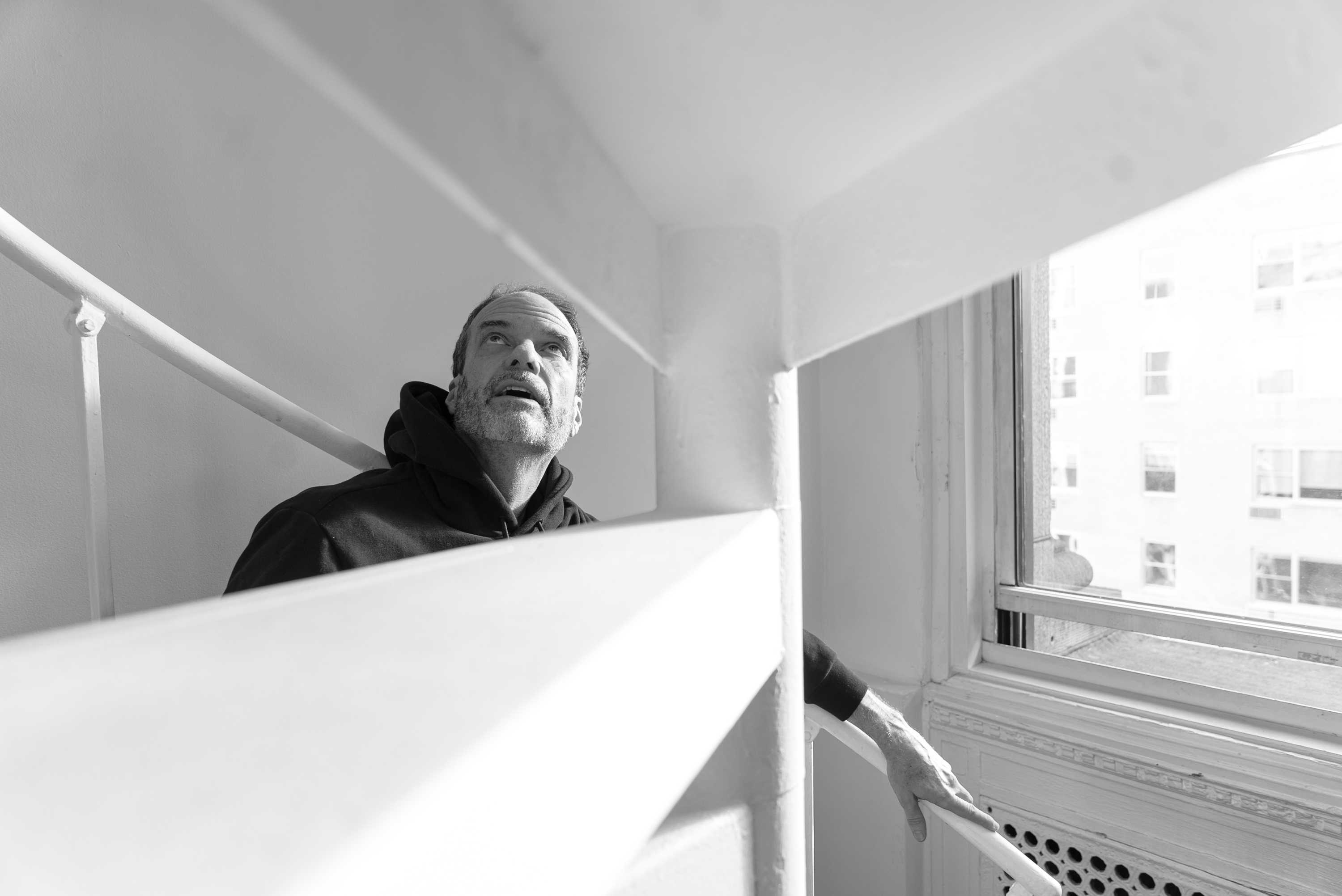
Block has described writing these songs after heartbreak, while sleepless and cracked open, reaching for the guitar as if it were a ladder rung.
That line gives the album its main architecture. "Love Crash" is not tidy healing. It is the sound of a person testing each step before trusting it, then laughing at the absurdity of needing a ladder inside his own life.
Produced by Chris Kuffner, whose credits include Ingrid Michaelson and Regina Spektor, and mixed and mastered by Blake Morgan, associated with Lenny Kravitz, Lesley Gore, and Janita, the album sits inside a carefully handled frame.
Its language draws from anti-folk, indie rock, folk-punk, lo-fi songwriting, no-wave memory, and post-punk restlessness. The production appears to give the songs room to scuff their shoes, letting humour sit beside exhaustion and vulnerability arrive without theatrical lighting.
What gives "Love Crash" its pull is the way it treats heartbreak as an event with many rooms. Some are messy. Some are bright. Some contain a strange joke that probably should not be funny, then somehow is.
Block’s anti-folk lineage matters here because the tradition understands that sincerity does not require polish, and that pain can carry a sideways grin. His name can sit near Beck, Regina Spektor, The Moldy Peaches, and Ani DiFranco without feeling like a forced family portrait.
The album’s emotional design recalls the Japanese art of kintsugi, not because brokenness becomes pretty, but because repair remains visible. Gold does not hide the crack. It makes the crack part of the object’s future. Block works in a similar spirit here.
"I Thought I Won The War" suggests conflict that refuses clean victory. "Over And Over" points to repetition, relapse, and the loops people create when feeling cannot settle.
"Firefly" hints at a small light moving through heavy air. None of these titles need exaggerated explanation. Their power sits in their plainness.
A weaker album might turn this subject into self-pity or sentimental fog. "Love Crash" seems more interested in motion. Block sounds less like an artist asking to be rescued than one reporting from the workshop where grief becomes usable tools.
Block Turns Heartbreak Into A Return Map On Love Crash
For listeners drawn to new music with literary bones, "Love Crash" clear appeal. It is fit for fans of New York anti-folk, alternative indie, folk-punk, and lo-fi songwriting, yet it also works for anyone who wants songs that respect adult damage without draining it of life.
The singles give playlist editors accessible entry points, while the album format rewards closer listening.
Still, the album’s richness may also be its small challenge. Block’s refusal to settle into one obvious shape can ask a casual listener for patience.
A chorus may not always behave like a billboard. A mood may bend before it declares itself. Yet that very restlessness is part of the reward. Pop culture often sells recovery as a clean before-and-after.
"Love Crash" knows better. It understands that some mornings require coffee, courage, and maybe a ridiculous hat for no reason at all.
Block’s return does not ask the past to applaud politely from the balcony. It asks what can still be built from a heart after collapse, after delay, after the long silence between records.
If "Love Crash" is the ladder Block climbed, what might he build now that his feet are back on the floor?





No comments:
Post a Comment